Reddit Location Context Redesign
A UX Case Study on Spatial Context and Anonymity
On Reddit, advice about pay, rent or laws depends on where people live, but anonymity hides that. I designed a privacy-first “spatial context” layer: opt-in region tags and maps of where a thread is being discussed, shown only for groups large enough that no one can be singled out.
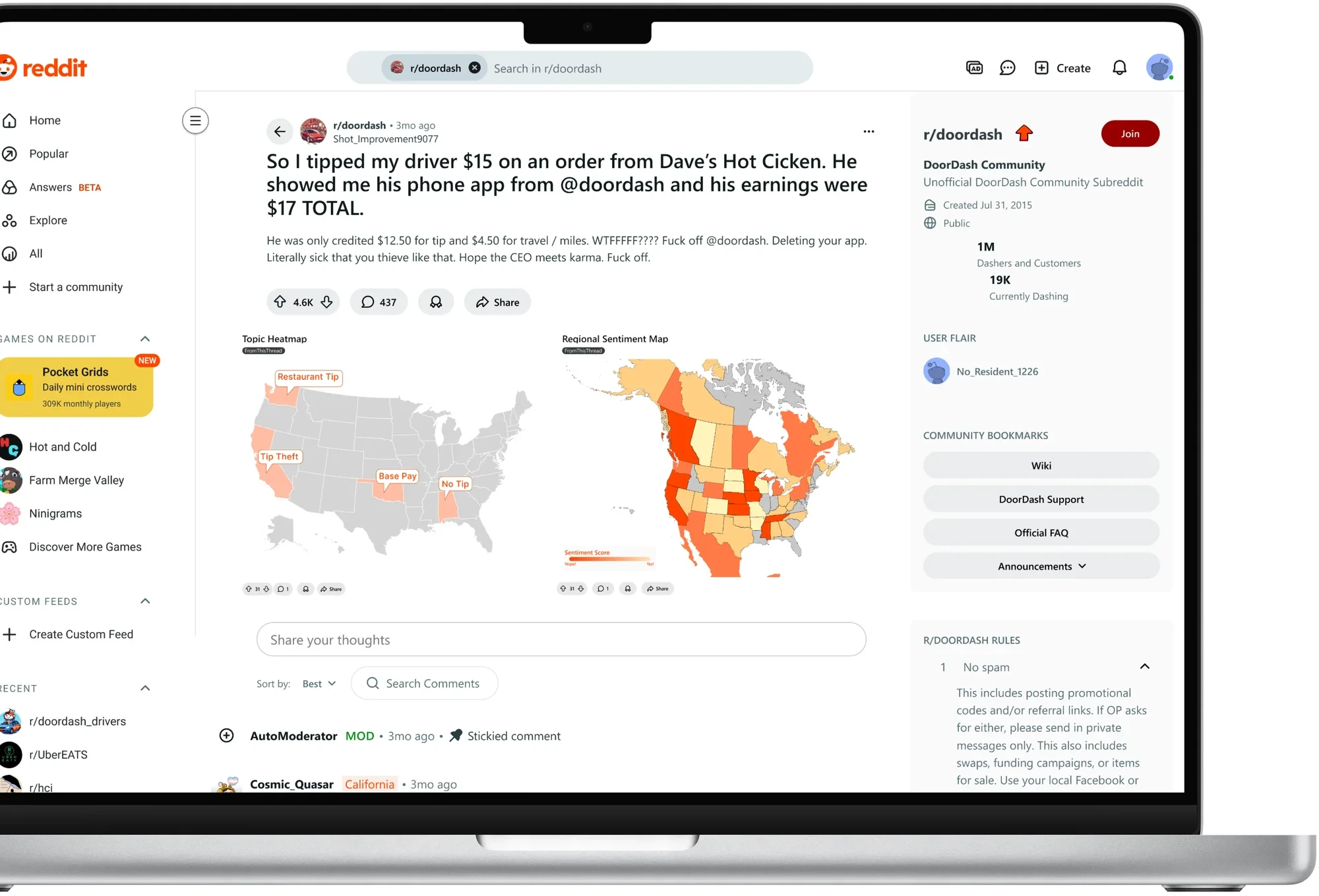
Location as a contextual signal, not personal exposure.
1 · Problem
Readers can’t tell whose advice applies to them, so commenters keep typing “I drive in California…” and threads fill with contradictions.
2 · Research
Most people want to see where others are commenting from, but far fewer will share their own location. A comparison of five platforms showed what makes sharing feel safe.
3 · Solution
Opt-in region tags plus three thread maps, always at state level or coarser, with any region below k commenters hidden.
Advice without context
Anonymity lets people speak openly on Reddit, but it also removes situational context. A comment about pay means something different in California than in Alabama.
It started with a simple question on r/AskReddit: “DoorDash drivers, how’s the pay in 2025?”
I scrolled through hundreds of comments. Some said the pay was great. Others said it was terrible. Some mentioned new laws improving conditions. Others talked about declining tips. The thread was a mess of contradictions.
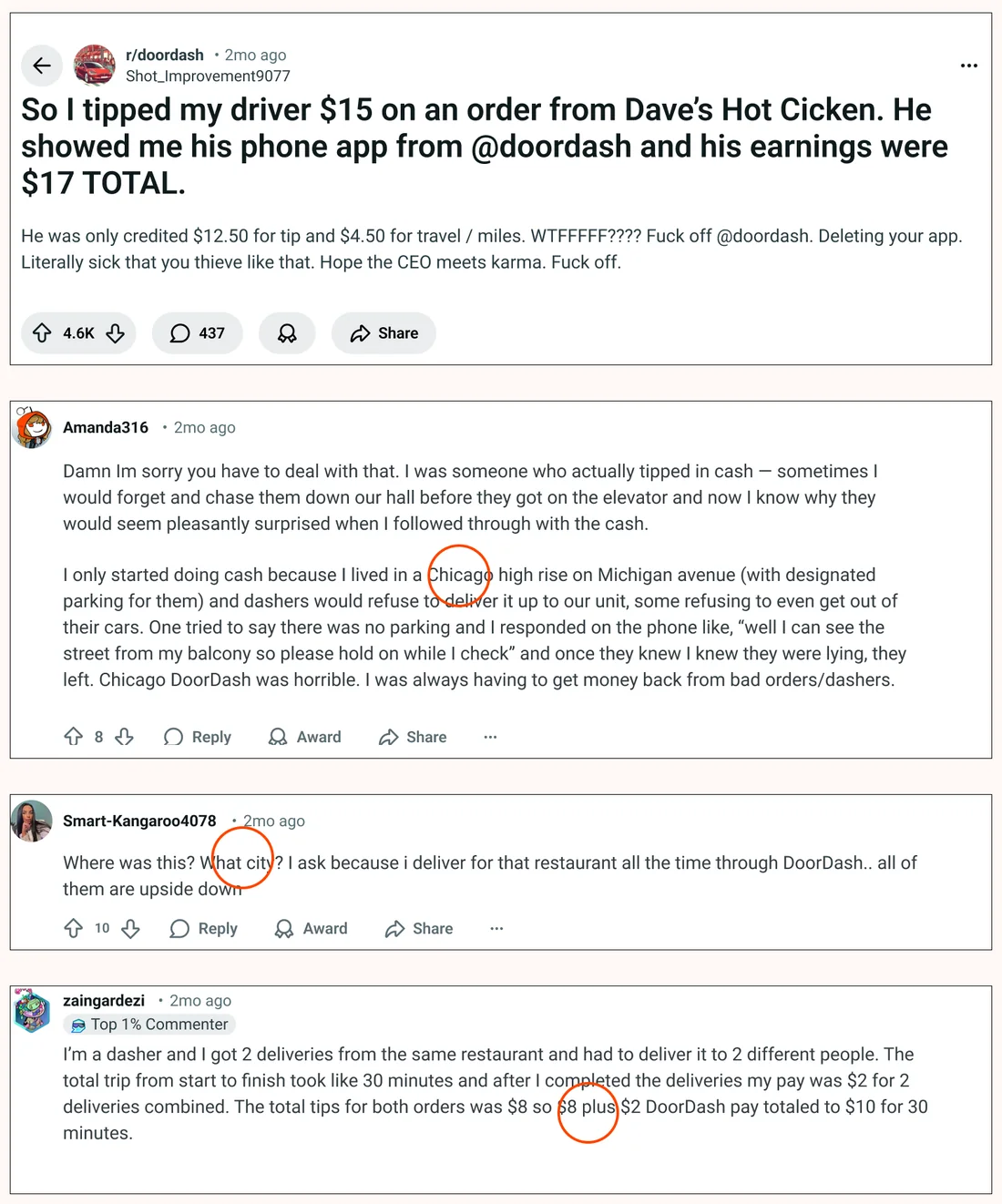
Without visible location data, users are forced to:
Guess Context
Misinterpret advice without accounting for regional cost of living differences.
Manually Disclose
Repeatedly typing “I drive in California…” to add missing context.
Lose Trust
Unable to verify whether advice comes from comparable local markets.
People want context, not exposure
Before designing anything, I needed two answers: do people actually want location on Reddit, and what happened on the platforms that already tried it?
The Privacy Paradox
87% of users want to see where others are commenting from, 20–50% are willing to share their own location.
User Adoption & Location Sharing Behavior
Research shows 20–50% of users will share generalized location data when benefits are clear. Gen Z users are especially open (~65%) to sharing location with at least one person. However, without clear utility, adoption drops below 3% (e.g., Twitter geotagging). This defines the core challenge: location features must deliver visible value to exceed baseline adoption rates.
What five platforms learned about location
| Platform | Approach | User control | Motivation | Key impact |
|---|---|---|---|---|
| TikTok | Optional location tags | Per-video opt-in | Content discovery & trends | High adoption for local content, minimal privacy concerns |
| RedNote (Xiaohongshu) | Mandatory IP-based region | None (forced) | Govt regulation & accountability | Reduced engagement, increased regional discrimination |
| Instagram Friend Map | Optional real-time sharing | Opt-in, off by default | Social connection | Privacy-forward with robust controls |
| Twitter (X) | Removed in 2019 | N/A | Low usage (<3%) | Feature discontinued due to privacy risk |
| Reddit (current) | None publicly visible | Backend only | Anonymity & trust | Context gap in regional discussions |
What Fails
- Mandatory disclosure erodes engagement (Weibo, Douyin)
- No clear value = low adoption (less than 3%, Twitter)
- Regulatory pressure creates backlash and workarounds
What Works
- Opt-in + privacy defaults build trust (Instagram, RedNote)
- Coarse granularity (state/region) over precise (city/zip)
- Clear utility = 20–50% adoption when value is visible
Success requires a three-part balance: clear utility + opt-in control + coarse granularity. Reddit’s design must make location sharing feel like a feature, not surveillance.
Context without exposure
visualize user geography to add context to discussions without compromising trust or anonymity, the core values of Reddit?
Three rules from the research
Clear utility
Location has to answer something the thread is already asking. → 04 Solution
Opt-in control
Off by default. Each person decides whether to share, and how coarse. → 05 Opt-in
Coarse granularity
State level or coarser, and any group small enough to point at someone stays hidden. → 06 Safeguard
Four ways to see where a thread lives
First, location has to be worth seeing: a region tag on each comment, and three maps for the thread as a whole.
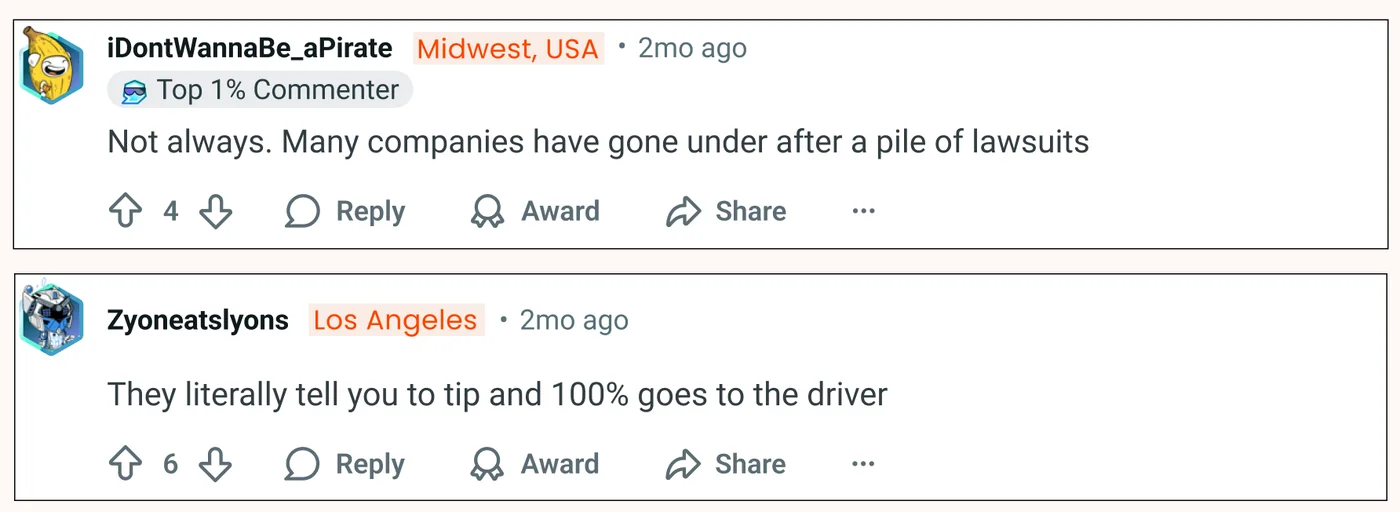
1. User-Level Location Tags (Opt-In)
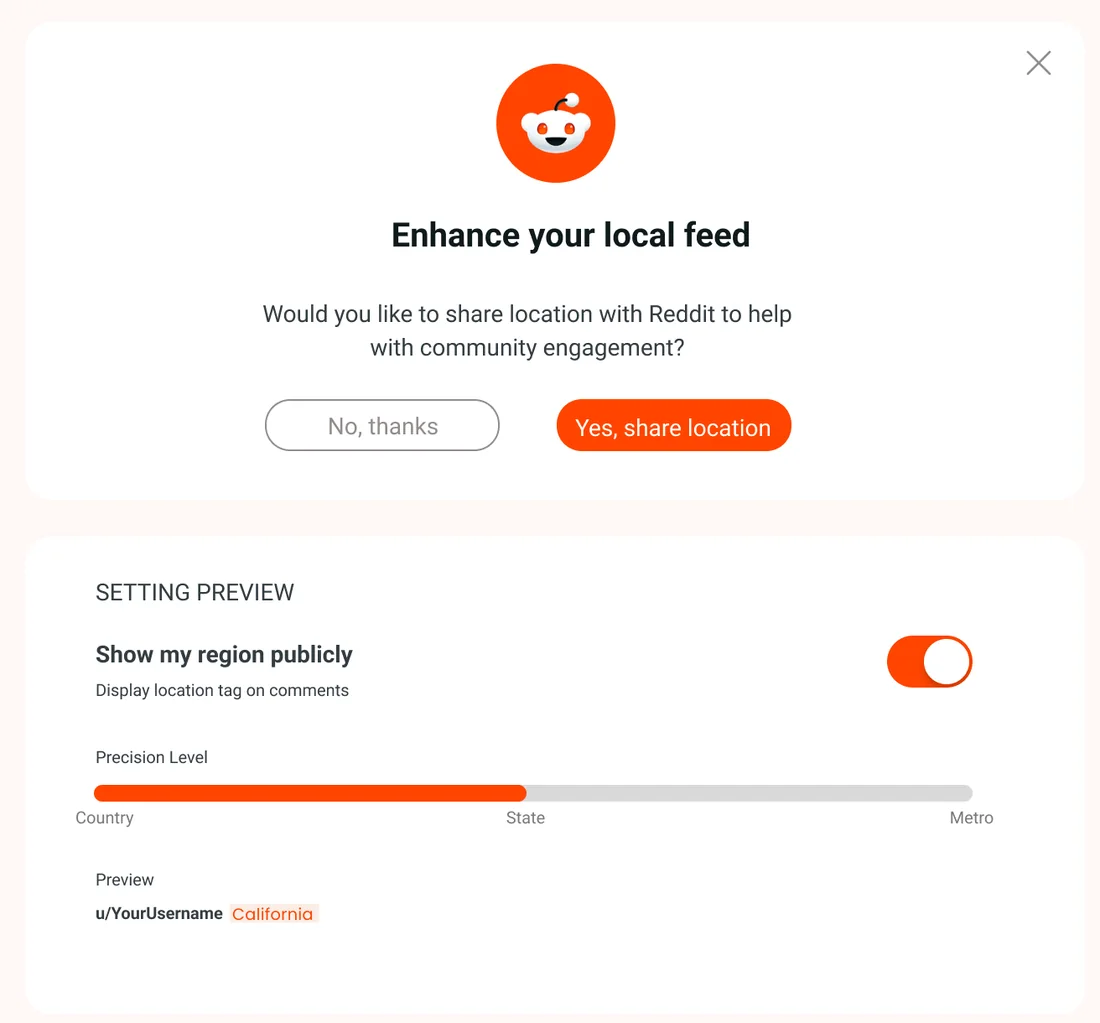
An opt-in setting allowing users to display a region or country tag next to their username. Adoption will be driven by transparency and demonstrated value.
- Toggle “Show my region publicly” — Default: Off
- Choose: Country, State/Province, or Region
- Show in all subreddits or only selected communities
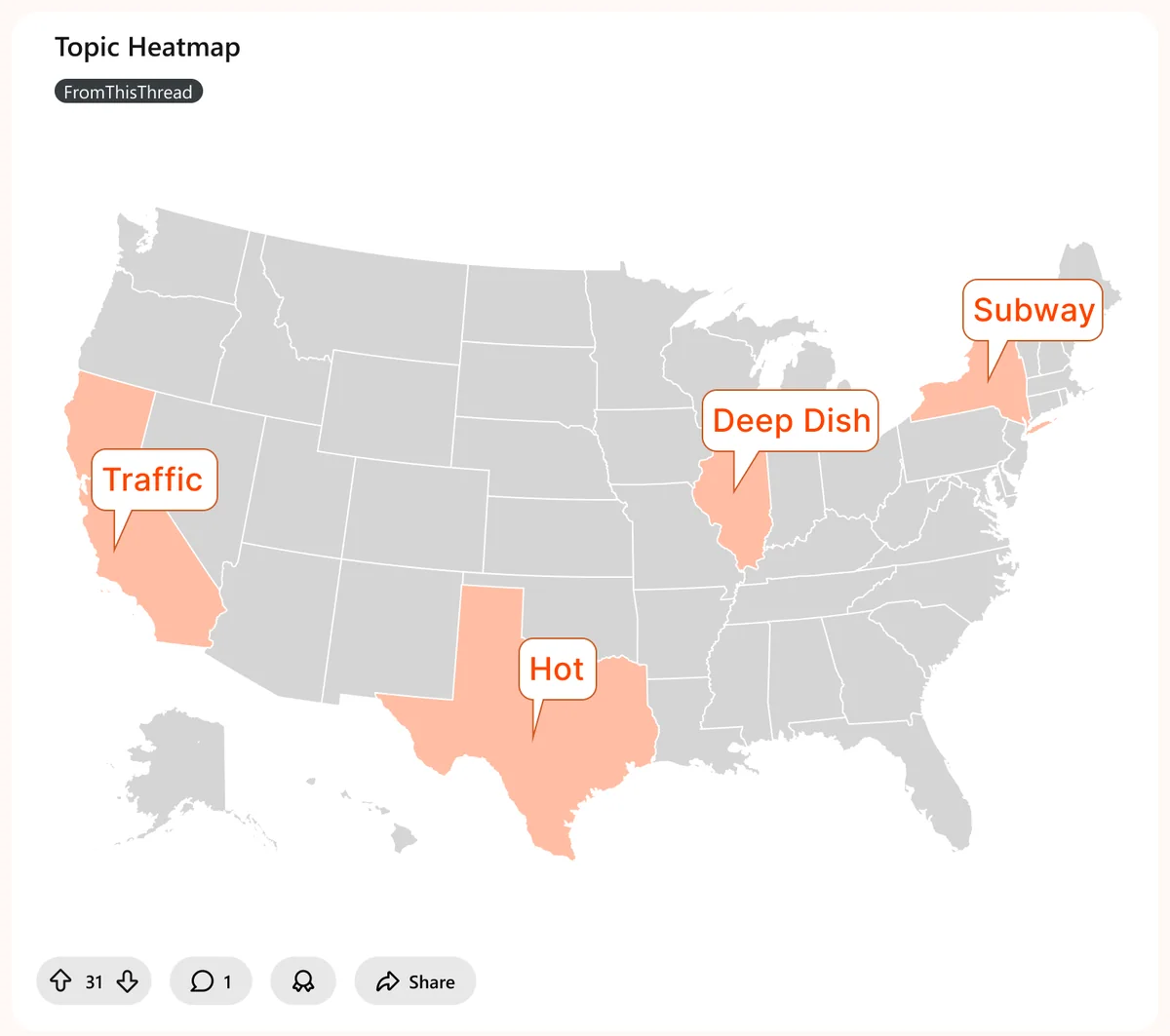
2. Topic Heatmap
A map-based visualization that surfaces regional discussion trends without exposing individual user locations.
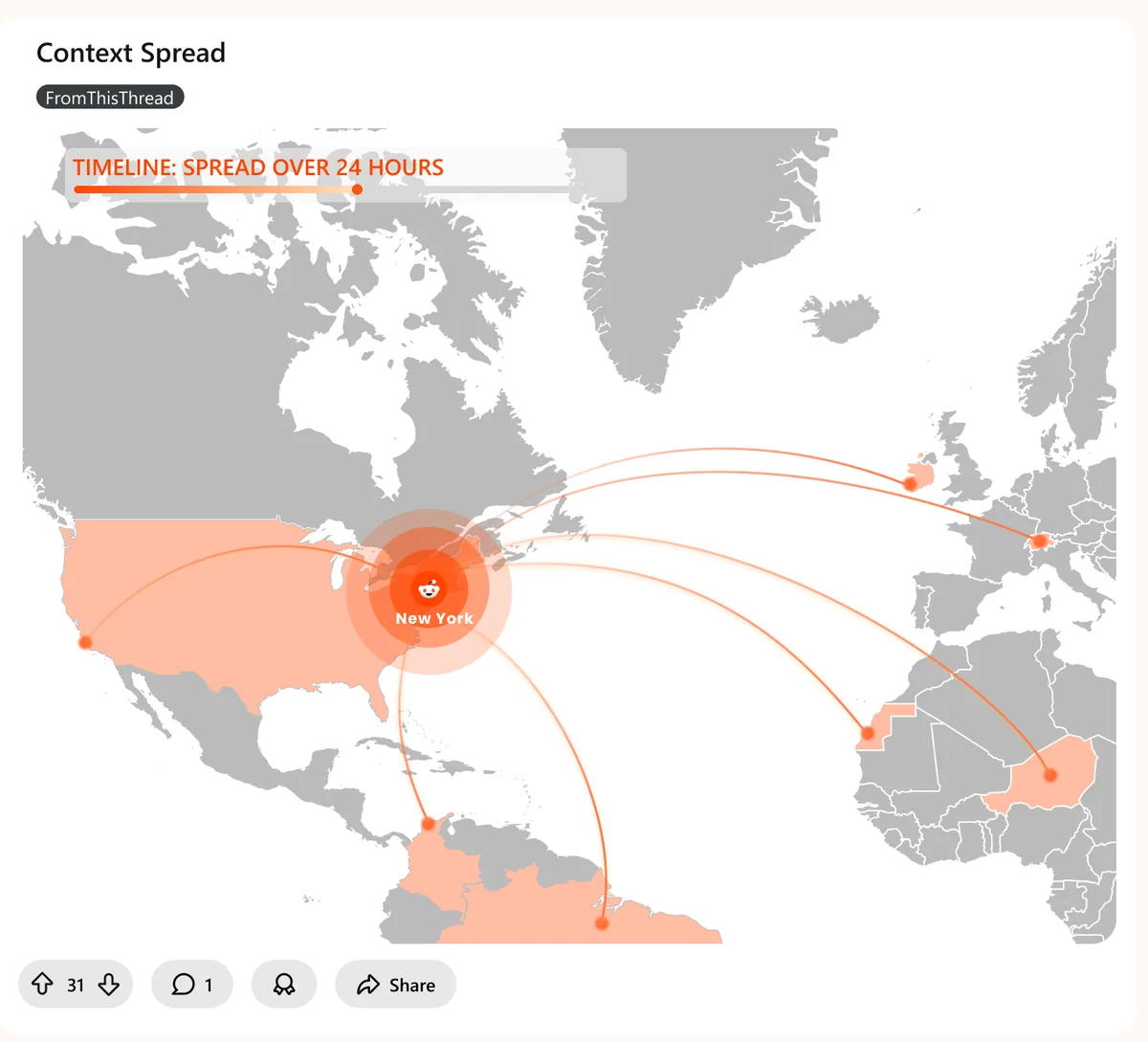
3. Context Spread
Visualizing how news spreads from a source city to other regions.
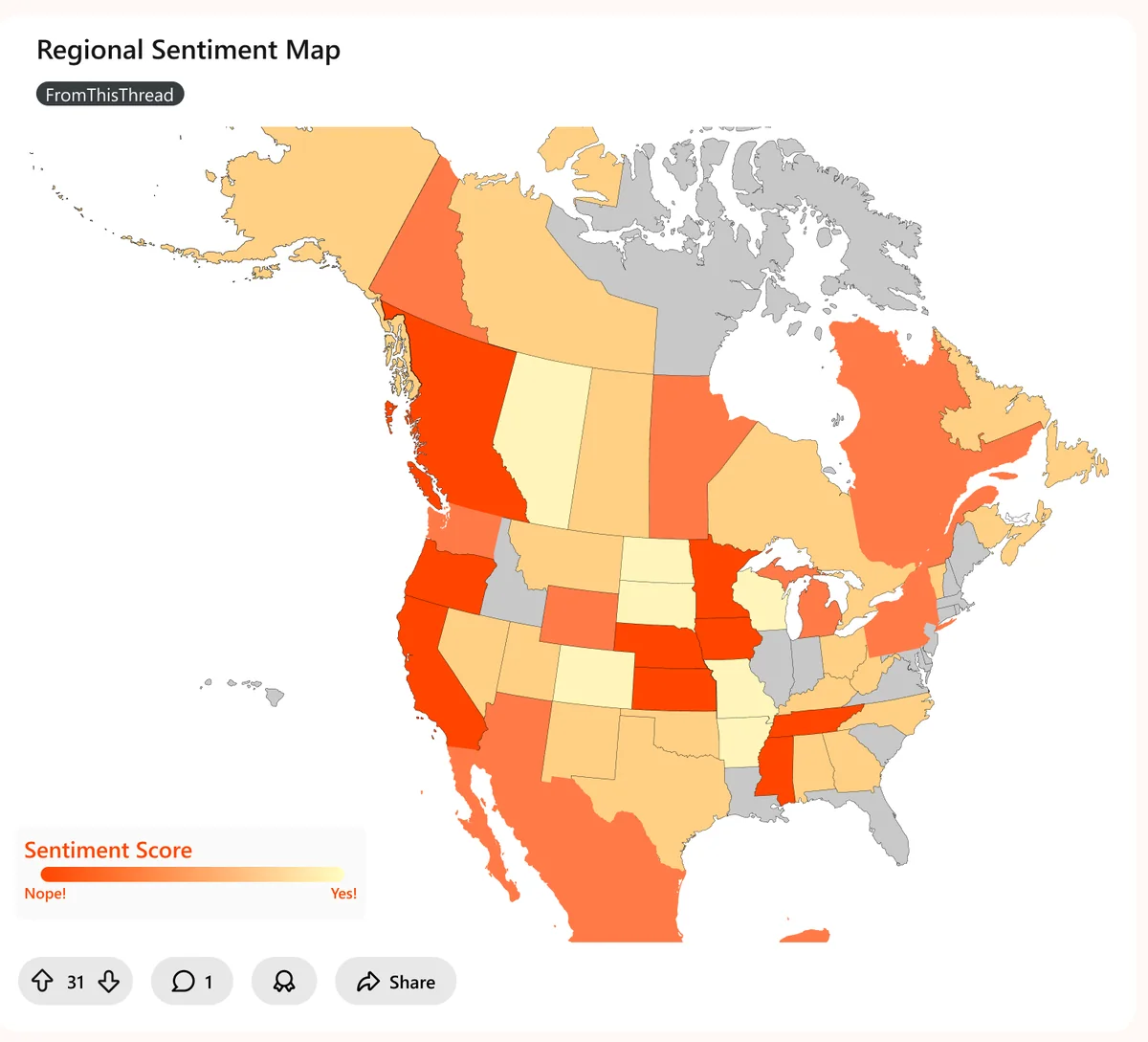
4. Regional Sentiment Map
A choropleth map showing sentiment distribution.
Off by default, and you choose
Location is never shared by default. The first time you comment, Reddit asks once, and you pick how coarse the tag is. Try the controls on the left; my original screens are on the right.
Enhance your local feed
Would you like to share location with Reddit to help with community engagement?
Hide any group that’s too small
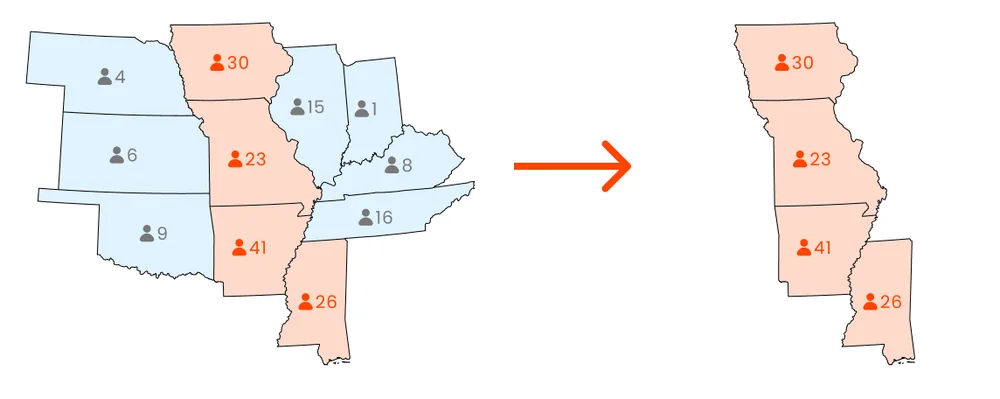
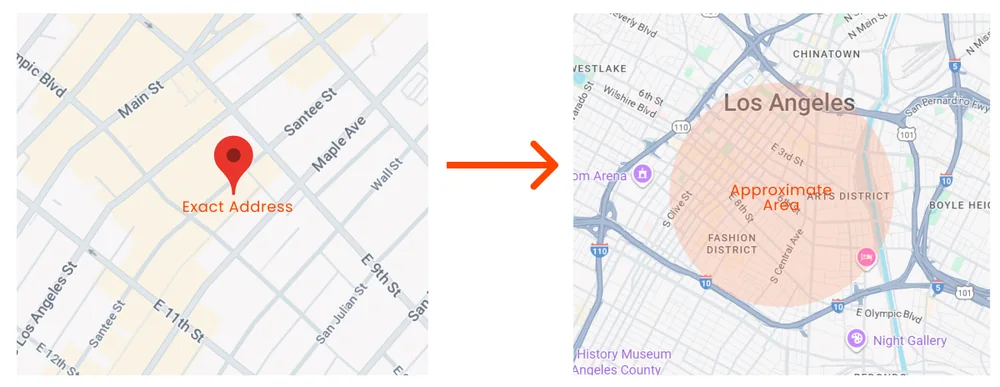
Location-cloaking research shows a region should contain at least k unique users to prevent re-identification. This principle is critical for Reddit’s design: we must suppress regions with fewer than a minimum threshold of opt-in users to maintain true anonymity.
Research-Backed Design Principle
Users want context, not exposure. They’re willing to share coarse location data when it improves discussion quality, but only with full control, transparent policies, and privacy safeguards like k-anonymity thresholds. Reddit’s opportunity: lead with privacy-first innovation, not surveillance.
The prototype, working
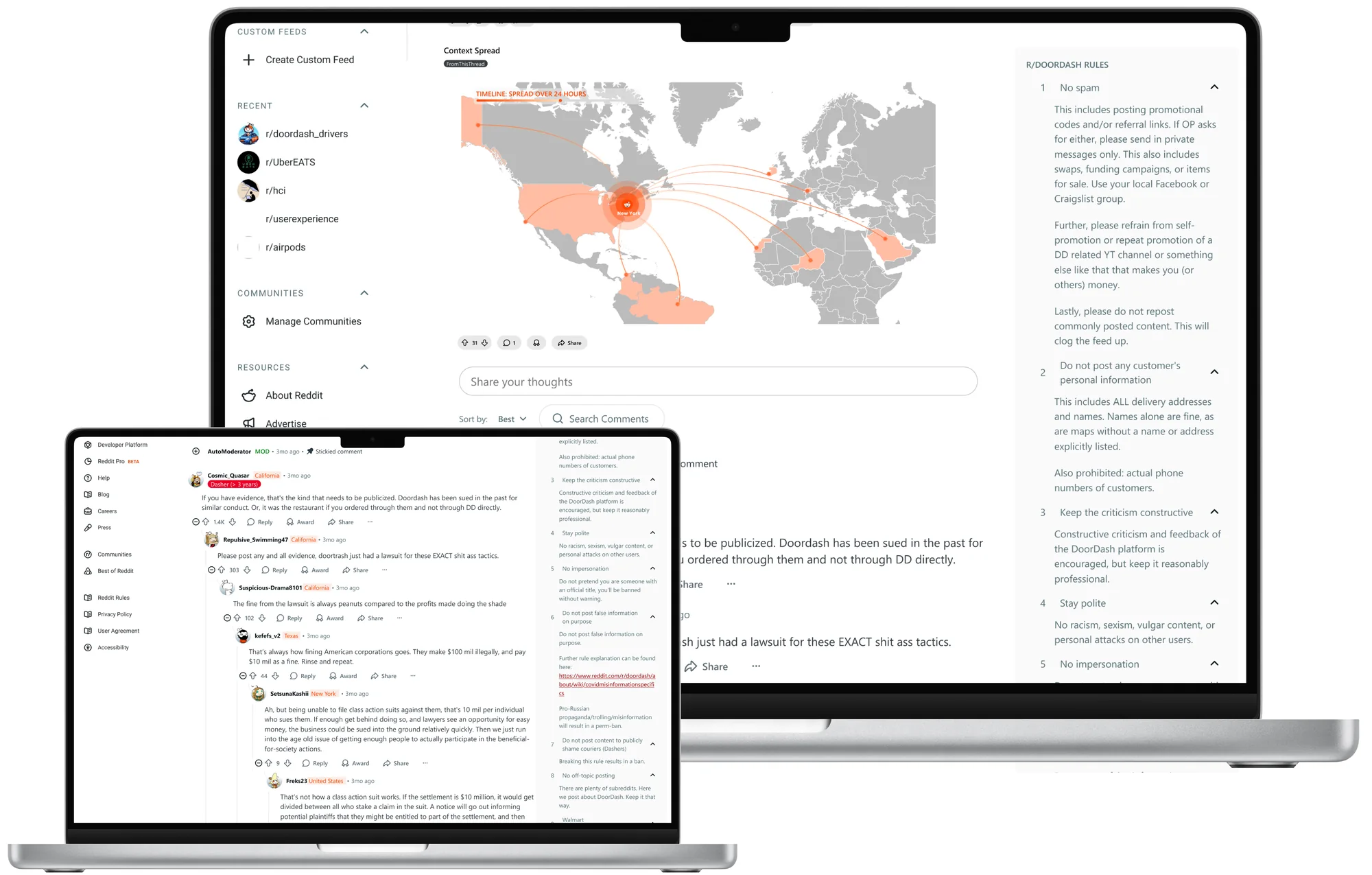
I built the thread as a clickable prototype to test the whole flow. Four moments from it:
Balancing anonymity with usefulness
The biggest challenge was introducing location data without breaking the “implicit contract” of Reddit anonymity. Through this process, I learned that Coarse Granularity (Region/State level) is the design sweet spot — it provides enough context to validate local advice (e.g., “This driver is in California”) without exposing the user to doxxing risks.
Success Metrics hypothetical
Target 20–30% of users opting into “Region Tags” within the first 3 months in high-utility subreddits (e.g., r/news, r/doordash).
Increase in “Trust” scores for advice-based comments when a location tag is present.
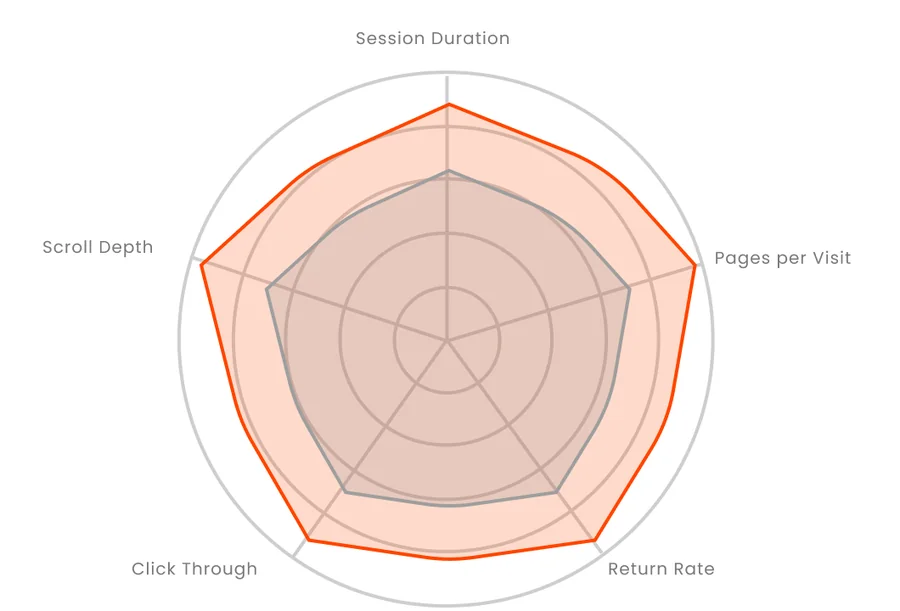
Increase in session time on “Topic Heatmaps” as a new discovery method for trending local news.
The Business Opportunity
Higher relevance = longer session times.
“Verified Local” threads create premium inventory for hyper-local advertisers.
Copyright © 2026 Anqi Wang